
Cultural insights reveal how gambling shapes community values around the globe
The Historical Context of Gambling
Gambling has been a part of human civilization for centuries, evolving alongside societal norms and cultural practices. In ancient cultures, games of chance often served as means of decision-making or rituals, embedding themselves deeply into community life. From the Roman Empire to ancient China, gambling was not merely a pastime but a reflection of the prevailing values and hierarchies of the time. New users can find a variety of offers including the casoola promo code, which enhances their experience from the outset.

As societies progressed, the perception of gambling transformed, intertwining with economic trends and moral philosophies. For example, in some cultures, gambling is seen as a test of skill and luck, promoting a sense of community as individuals gather to engage in these activities. In contrast, other societies view gambling as a vice, reflecting conflicts between traditional values and modern consumerism.
Gambling and Social Cohesion
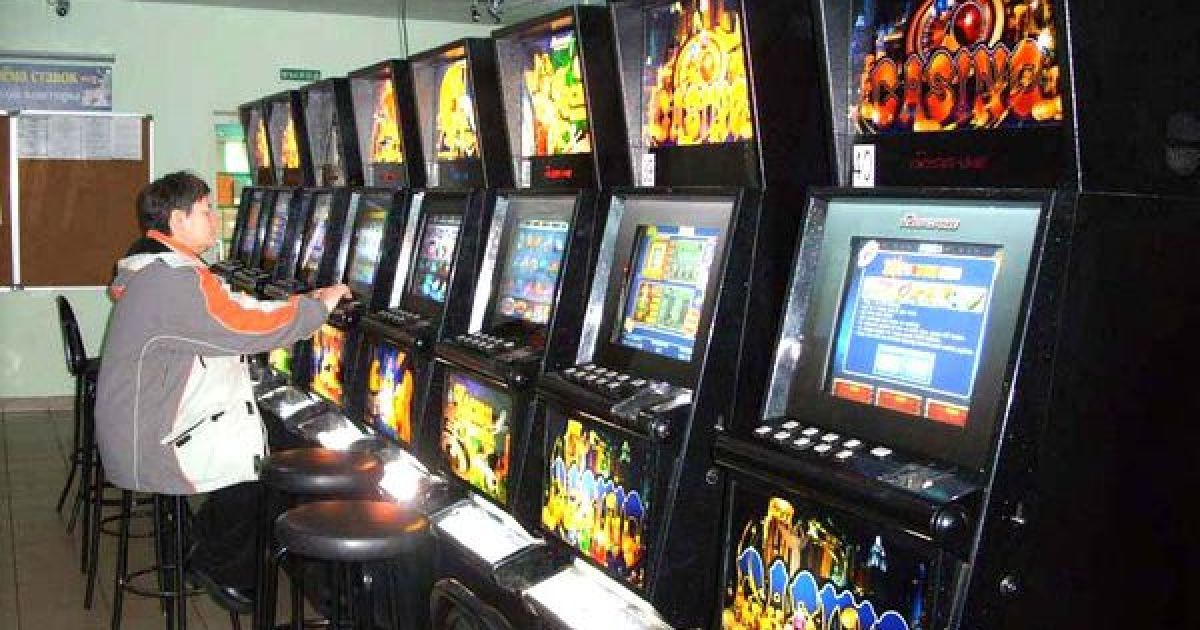
In many communities, gambling serves as a social lubricant, bringing people together in shared experiences. Local casinos, betting shops, and informal gambling gatherings often create spaces where relationships are fostered and community ties are strengthened. These interactions can promote unity, allowing individuals from diverse backgrounds to engage in a common activity.
Moreover, the shared highs and lows of gambling can lead to a collective identity within a community. Celebrations of wins or communal support during losses can forge bonds, making gambling a vital component of social life in many regions around the world.
The Role of Technology in Gambling Culture
The rise of technology has significantly altered how gambling is perceived and experienced within communities. Online platforms and mobile applications have made gambling more accessible, attracting a broader audience and changing traditional gambling landscapes. This digital shift has influenced community values, particularly among younger generations who view gambling as entertainment rather than a taboo.
Furthermore, technology has enabled more responsible gambling practices through features such as self-exclusion and tracking tools. This innovation demonstrates an evolving understanding of gambling’s impact on individuals and communities, prioritizing well-being while maintaining the social aspect of the activity.
Gambling’s Economic Implications
The economic impact of gambling on communities cannot be overlooked. In many areas, casinos and betting establishments contribute to local economies through job creation and tourism. The revenue generated can provide essential funding for schools, infrastructure, and public services, influencing community values towards a more favorable view of gambling as a potential economic driver.
However, this economic benefit is often accompanied by challenges, such as the risk of addiction and its social consequences. Communities must navigate the delicate balance between enjoying the economic advantages of gambling while implementing measures to protect vulnerable individuals and maintain a healthy social environment.
Exploring Casoola’s Role in the Gambling Landscape
Casoola, a modern online casino and sportsbook, epitomizes the evolution of gambling in today’s digital age. With a diverse range of over 12,000 games, including slots and live dealer options, it caters to a wide audience while prioritizing player safety and responsible gambling practices. Launched in 2026, Casoola embodies the fusion of technology and entertainment in the gambling space.
As a platform dedicated to enhancing the player experience, Casoola provides a user-friendly design, multiple payment options including cryptocurrencies, and 24/7 customer support. By addressing both the enjoyment of gambling and the need for safety, Casoola reflects the ongoing changes in community values surrounding gambling, positioning itself as a leader in the online gaming industry.