
Why do gamblers take risks Exploring the psychological factors in casino behavior
The Thrill of Uncertainty
One of the primary reasons gamblers take risks is the inherent thrill of uncertainty. This excitement, often described as a rush, can create an intoxicating experience that compels players to return to the casino. When the outcome is unpredictable, the human brain releases dopamine, a neurotransmitter associated with pleasure. This chemical reaction can lead to addictive behaviors, as individuals seek to replicate the euphoric feelings associated with winning or the anticipation of a potential win. Those interested in an exciting gaming experience can check out casino katanaspin, where the thrill is palpable.
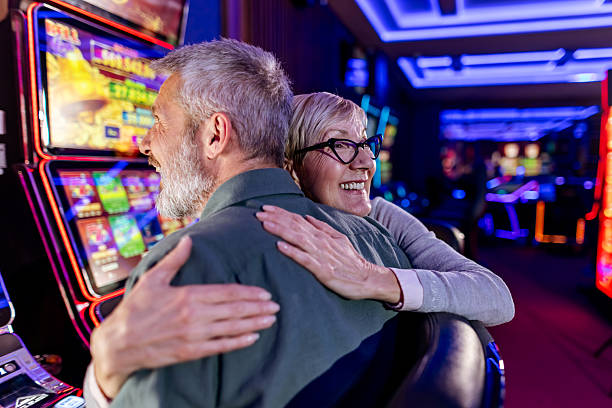
This thrill can also be tied to the concept of gambling as a form of escapism. Many players are attracted to the allure of a casino as a place to forget about their daily lives and immerse themselves in a world of possibilities. The combination of risk and reward creates an emotional rollercoaster that some find irresistible, leading them to engage in riskier bets or games.
Social Influence and Group Dynamics
Social factors significantly impact gambling behavior. Many people enjoy the camaraderie that comes from playing games with others, whether at a physical casino or online. The communal aspect can encourage individuals to take risks they might not otherwise consider. Observing peers winning can boost confidence, leading to impulsive decisions based on group dynamics rather than rational thought.
Additionally, social proof plays a crucial role in influencing gambling behavior. When individuals see others engaging in high-stakes games or making bold bets, they may feel compelled to follow suit. This desire to fit in or impress peers can lead to increased risk-taking as players seek validation or acceptance within their social circles.
Cognitive Biases and Fallacies
Gamblers are often influenced by various cognitive biases that skew their perception of odds and risks. The gambler’s fallacy, for instance, is a common misconception where individuals believe that past outcomes affect future events. This fallacy can lead players to make irrational choices, such as betting more after experiencing a losing streak in the hope that their luck will change.
Furthermore, overconfidence can drive gamblers to take undue risks. Many believe they possess a unique skill or insight that gives them an edge, which may not be supported by statistical evidence. This overestimation of one’s abilities often results in higher stakes and riskier bets, perpetuating a cycle of excitement and potential loss.
Emotional Triggers and Impulsivity
Emotions play a pivotal role in gambling behavior, with feelings of excitement, stress, and even boredom driving individuals to take risks. Emotional triggers can lead to impulsivity, causing gamblers to make hasty decisions without fully considering the consequences. For instance, those experiencing negative emotions may gamble as a way to cope, believing that a big win could alleviate their problems.
On the other hand, positive emotions can also spur risk-taking behavior. The excitement of a winning streak may lead to a desire to continue betting, sometimes even escalating to larger amounts. This connection between emotions and gambling highlights the complex psychological landscape that influences why individuals are willing to take significant risks at casinos.
Exploring Online Gambling Platforms
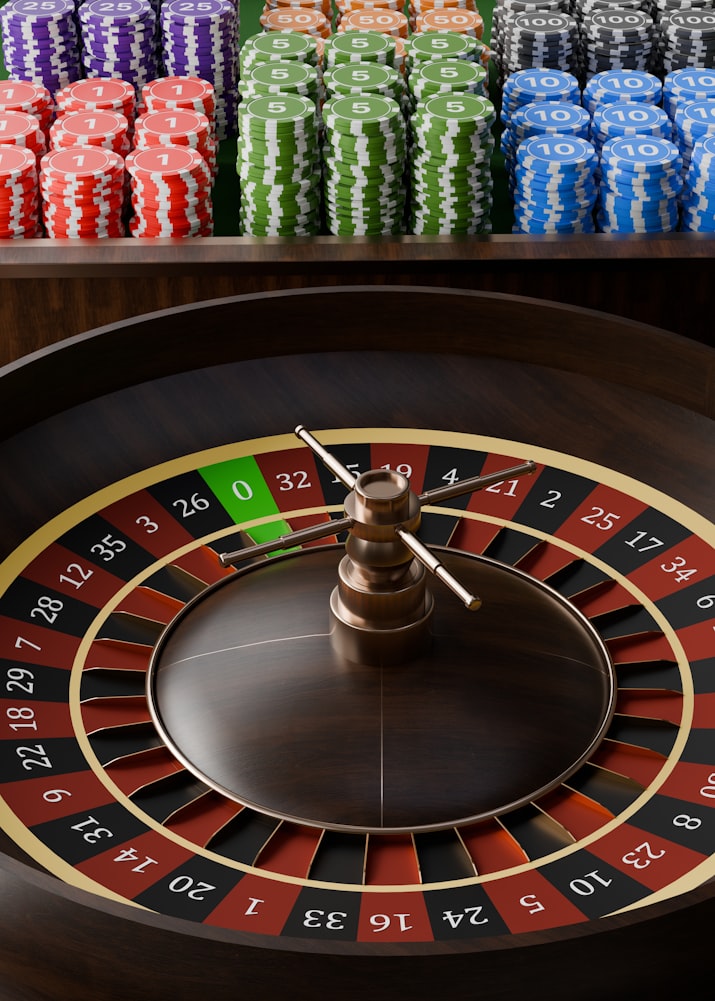
With the rise of online casinos like KatanaSpin, players are presented with new opportunities and challenges in their gambling behavior. These platforms offer a variety of games and betting options that can further amplify the thrill and risk. The convenience of online gambling allows individuals to engage more frequently, often leading to increased impulsivity and risk-taking.
KatanaSpin not only caters to diverse gaming preferences but also provides a stimulating environment for gamblers looking to explore their risk-taking tendencies. With promotional offers and an expansive selection of games, players may find themselves drawn into the exhilarating world of online gambling, further emphasizing the psychological factors at play in casino behavior.